
Every week, I talk with coaches, specialists and others who are searching for a reliable way to use a how-to book for business growth, yet they’re already sitting on everything they need. In discovery calls, on stage, in voice notes, in LinkedIn comments or emails. The advice is brilliant, specific, and genuinely useful. The problem is it evaporates the moment the conversation ends. There’s no asset, no record, and nothing that works on their behalf when they’re not in the room.
A well-built how-to book changes that dynamic completely. It’s the format that takes your best thinking and turns it into something that compounds over time, generating steady enquiries, attracting the right clients, and doing the pre-selling before you’ve even picked up the phone. Authors who have published a focused, outcome-driven book commonly report warmer leads, more revenue from multiple publications, and a pipeline that keeps moving even in quiet months. It’s what I teach at Business Author Academy.
By the end of this article, you’ll understand why a how-to book is widely regarded as one of the most effective formats for converting prospects into clients for service-based business owners, how to choose a topic that does the heavy lifting for you, and what it looks like when a book is genuinely built for growth rather than just written for fun.
Why a how-to book often outperforms other formats for service providers
It answers the question clients are already asking
A how-to book meets a prospective client at the exact moment they’re actively searching for a solution. Unlike a memoir or a sweeping thought leadership manifesto, a how-to book speaks directly to a reader who has a problem right now and is looking for someone who can help them solve it. That specificity is what makes it convert. When your book addresses the exact problem your ideal client is Googling at 11pm, it positions you as the obvious next call rather than one of many options to consider.
This is fundamentally different from what most coaches produce: social media posts that disappear within hours, newsletters that demand consistent output, and podcasts that require a listener who already knows you exist. A how-to book sits in a different category entirely. It’s searchable, shareable, and available around the clock, which is why it belongs in the same conversation as the best business books and growth strategy reads that service-based founders return to again and again.
The trust gap it closes before a client ever reaches out
A how-to book lets a prospect spend hours inside your thinking, your voice, and your process before they pay you a single cent. By the time they close the last chapter, they’re not evaluating you anymore. They’ve already decided. This is the lead-generation mechanic that most service providers don’t realise they’re missing. Few other marketing assets replicate that depth of pre-sale trust at scale, and those that come close, such as long-form courses or case-study libraries, rarely achieve the same reach or longevity.
Think of a well-written how-to book as a dozen discovery calls happening simultaneously, with your ideal clients self-selecting the whole time. The readers who reach the final page and then send an enquiry are not casual browsers; they’re committed, informed, and aligned with your approach before you’ve spoken a word.
The fear that stops most coaches from publishing the book that could grow their business
“I’ll give away too much and no one will hire me”
This is the most common fear heard from coaches and consultants who are considering writing a how-to book. The belief is that if the book is genuinely useful, clients won’t need them anymore. You’ve done the work of explaining your process, broken it into steps, and handed over the roadmap. So why would anyone pay for coaching or courses?
The counter-truth is this: the more useful the book, the more the reader wants the person who wrote it. A reader finishing a how-to book rarely thinks “I’ve got everything I need now.” More often, they think “I need this person in my corner.” Just look at Denise Duffield-Thomas – and how her (traditional) publications keep growing her money mastery retreats and coaching.
Reading a process and implementing it are two completely different experiences, and your clients know that better than anyone. Practitioners and authors in this space consistently report that a genuinely helpful book increases enquiry volume rather than cannibalising it.
Why expertise on the page makes you more, not less, hireable
Imagine two health coaches who both self-publish a book in the same year. The first writes a broad, warm overview of wellness that touches on mindset, nutrition, and movement without committing to a specific method or audience. The second writes a structured, step-by-step guide that mirrors exactly the way she works with her private clients, names her framework, and makes one clear promise on the cover.
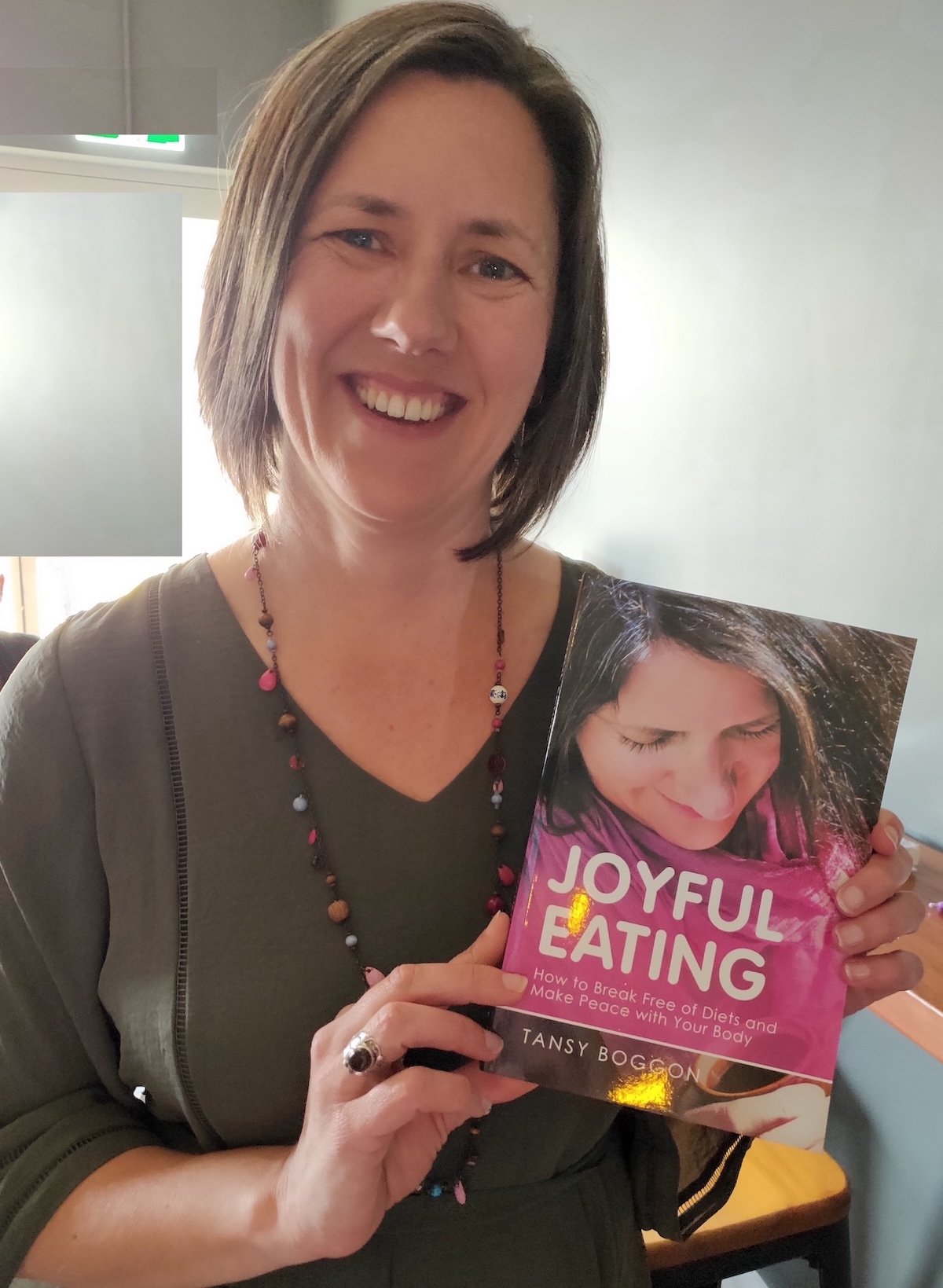
The second coach reports something the first one doesn’t: enquiries from readers who arrive already familiar with her language, pre-sold on her approach, and ready to invest. The specificity of her book is the magnet, not the liability. By showing exactly how she thinks and works, she attracts precisely the clients who need that approach and filters out everyone who doesn’t, which makes every conversation she has more productive.
How to choose a topic your ideal client is already searching for
Start with the problem, not the solution
The most important filter when choosing a topic for your how-to book for business growth is this: it must solve a named, felt problem that your ideal client already knows they have. Not a problem you think they should care about. A problem they are actively trying to solve. This distinction matters more than almost any other decision you’ll make about the book.
Here’s a simple exercise worth doing today. Write down the top three questions clients ask you before they hire you. Those questions represent the problems that drive people to seek your help, and that list is the beginning of your book topic audit. If your book answers those questions in depth and with authority, it will attract exactly the people already looking for your help.
Narrowing from “broad niche” to “one clear promise”
A common mistake is choosing a topic so wide that it loses credibility before the first chapter. A how-to book built around business growth works when it makes one clear, specific promise on the cover and delivers on it chapter by chapter. Vague books attract vague readers who are unlikely to become high-value clients.
Compare “Building Better Habits” with “How Busy Parents Teach Their Kids to Manage Money in 10 Minutes a Day.” The second title has a defined audience, a defined outcome, and a defined constraint. The reader either recognises themselves in it or they don’t. That’s exactly how it should work. The sharper the promise, the more targeted the readership, and the stronger the client-attraction effect. A book that tries to speak to everyone ends up speaking to no one with any conviction, and that’s true whether you’re browsing the best business books section or scanning recommended reads for entrepreneurs.
Structuring your how-to book for business growth, not just a page count
Your signature framework is the spine of the book
A signature framework is your named, proprietary process: the structured system you use to take clients from where they are to where they want to be. Building your book around that framework does two things at once. It gives the reader a clear transformation path, and it establishes your approach as the intellectual property that separates you from every other coach or consultant in your niche.
Take a consultant who has developed a five-stage client onboarding process. When she structures each chapter around one stage of that process, the book becomes a demonstration of exactly how she works. Readers don’t just learn from the book; they experience her thinking. By the final chapter, they understand her approach as well as her existing clients do, and they’re already invested in it.
Aligning each chapter to a client outcome, not just a topic
The difference between a how-to book that generates enquiries and one that collects dust is whether each chapter moves the reader closer to a specific result. Every chapter should leave the reader able to do a new thing or have a new method, something concrete and measurable.
This outcome-orientation is also what makes a book feel premium rather than like a free download dressed up as a paperback. When readers finish each chapter having actually done something, the book earns its cover price many times over. That experience of transformation through reading is precisely what makes them want to work with you to accelerate what the book started.
Why the structure of your book determines the size of your pipeline
When the book does the pre-selling, discovery calls change completely
When a well-structured how-to book is doing its job, the enquiry pipeline looks different. Calls are shorter because prospects already know your language and your framework. The price conversation is easier because the book has already demonstrated the depth of your thinking and the value of your approach. Clients arrive with genuine commitment rather than casual curiosity.
This is why I encourage every author I work with to think of the book as the first session, not a brochure. A brochure tells people what you do. A first session shows them how you think and begins the transformation. A book built with this intent changes the entire client-acquisition dynamic, from chasing interest to receiving qualified, motivated enquiries. It’s the difference between a generic recommended business read and a book that actively scales your practice.
Building in back-matter that converts readers to clients
A how-to book without a conversion pathway is a missed opportunity, full stop. The final pages of your book should make it effortless for an engaged reader to take the next step. That means a clear author bio, a next-step invitation, a brief service overview, and a direct call to action that tells the reader exactly what to do if they want to continue the journey with you.
This architecture needs to be built into the manuscript from the beginning, not bolted on at the end. Working with someone who understands both editorial craft and business growth strategy, as I do at Business Author Academy, ensures the book is structured as a lead-generation asset from the first chapter outline. The back matter of a well-designed book can be among the most effective conversion points in your entire marketing ecosystem, particularly for books to scale a business or deepen an existing client relationship.
Start with the one problem you solve better than anyone else
A how-to book for business growth is not a vanity project or a someday goal. It’s a strategic asset that works on your behalf whether you’re delivering a session, on holiday, or asleep. The format works because it meets your ideal client at their point of need, builds genuine trust before they ever speak to you, and creates a conversion pathway that no single piece of content can replicate.
If you’re sitting on a process that’s genuinely changing your clients’ lives, the question isn’t whether you should write the book. The question is how quickly you can get it into the hands of the people who need it. Start with one question: what is the one problem you solve better than anyone else in your space? That’s the beginning of your book.
Getting the structure right from day one is what separates a book that generates enquiries from one that gathers dust. If you’re ready to turn your expertise into a lead-generating asset built around your business goals, reach out to the team at Business Author Academy. I work with coaches and consultants through every stage, from the first outline through to launch, to make sure the book you write is one that actually works for your business.